What the beta revealed
The messy middle
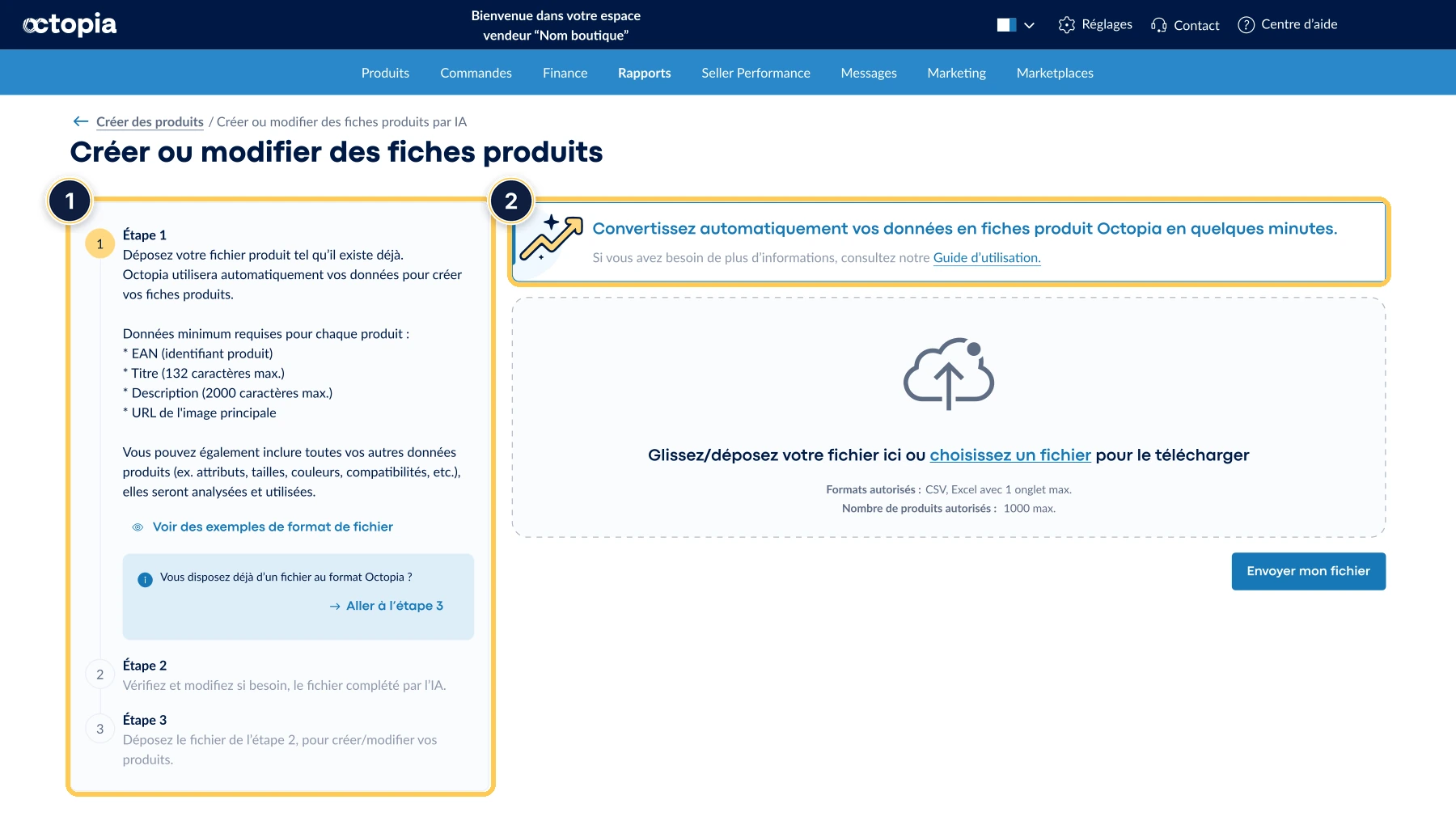
The stepper made the flow clearer, but the behavioural dashboard revealed a deeper problem that guidance alone couldn't fix.
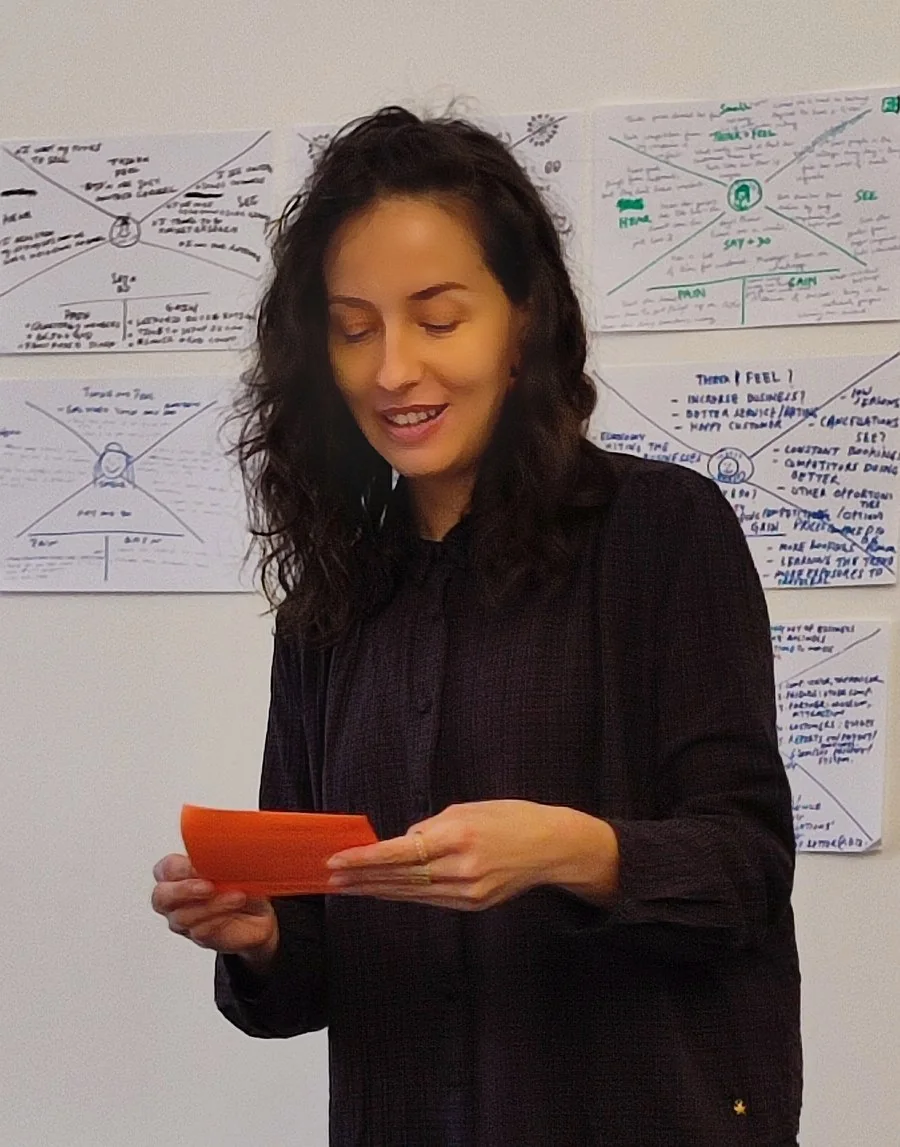
When I joined, the ~50 beta vendors and an initial persona-based segmentation were already in place. The dashboard changed what we could see. The persona segmentation had seemed to hold, but once behaviour was legible in one place, a specific round of monitoring didn't add up: the personas weren't explaining what vendors were actually doing. Rather than design around it, I pushed for more user testing and interviews, and paired with a data analyst to cross-reference what vendors said against what the behavioural data showed.
That surfaced the real pattern: the strongest predictor of what a vendor needed wasn't their persona, it was the task in front of them, which shifted by week and season. The same vendor wanted heavy automation when bulk-loading a seasonal range, and light-touch, high-control help when fixing a few live listings. A fixed, persona-based experience couldn't serve both.
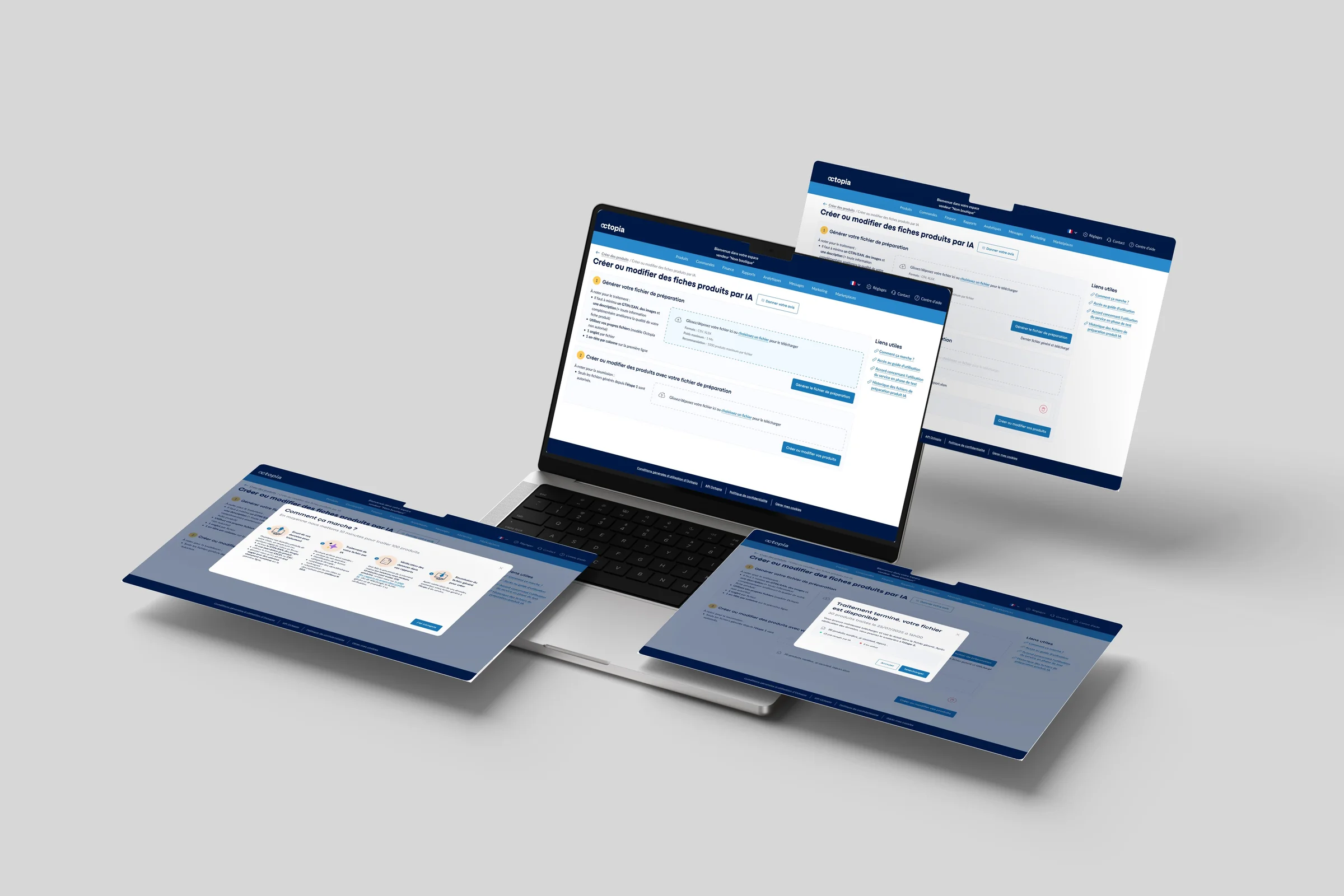
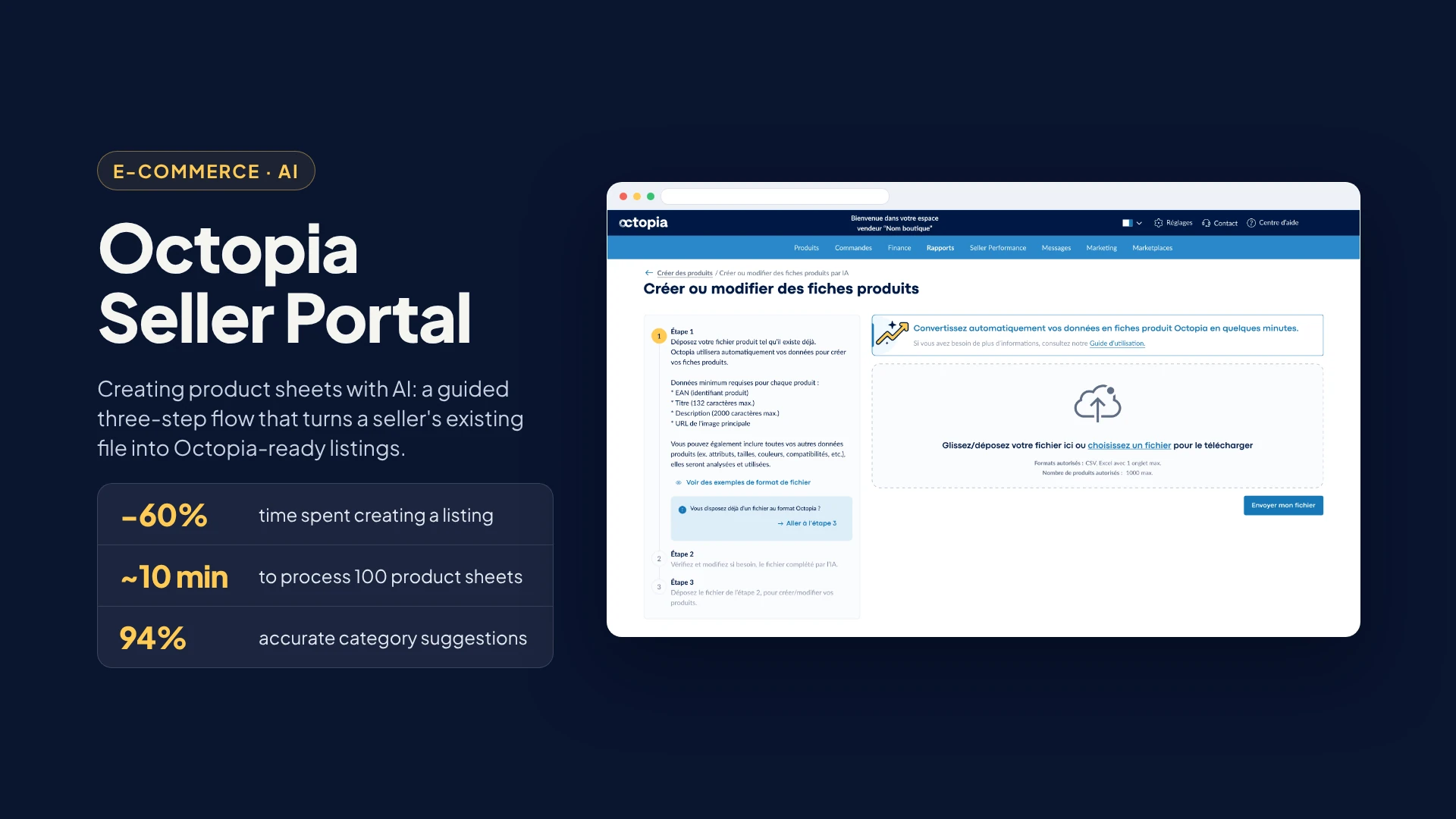
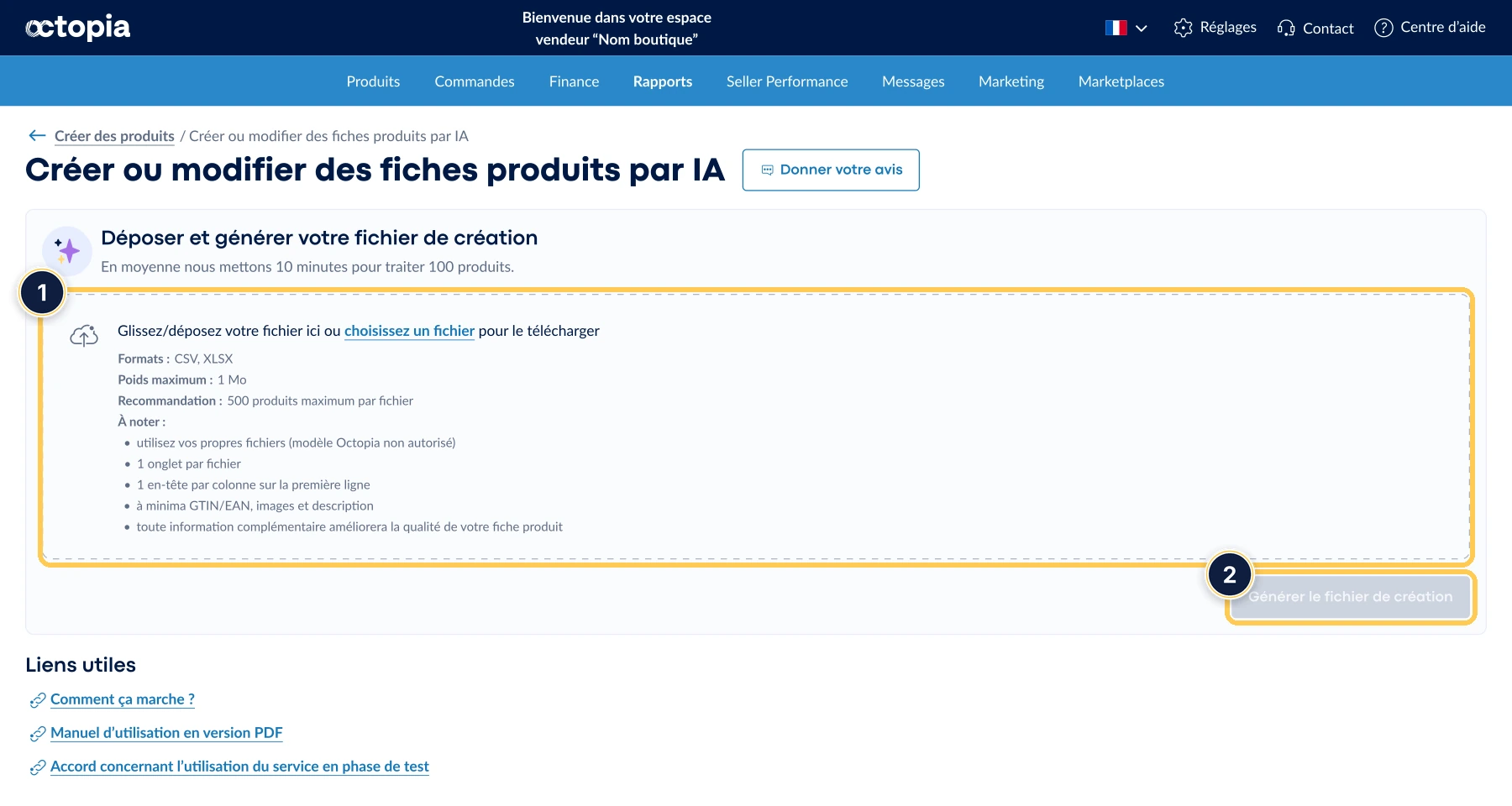
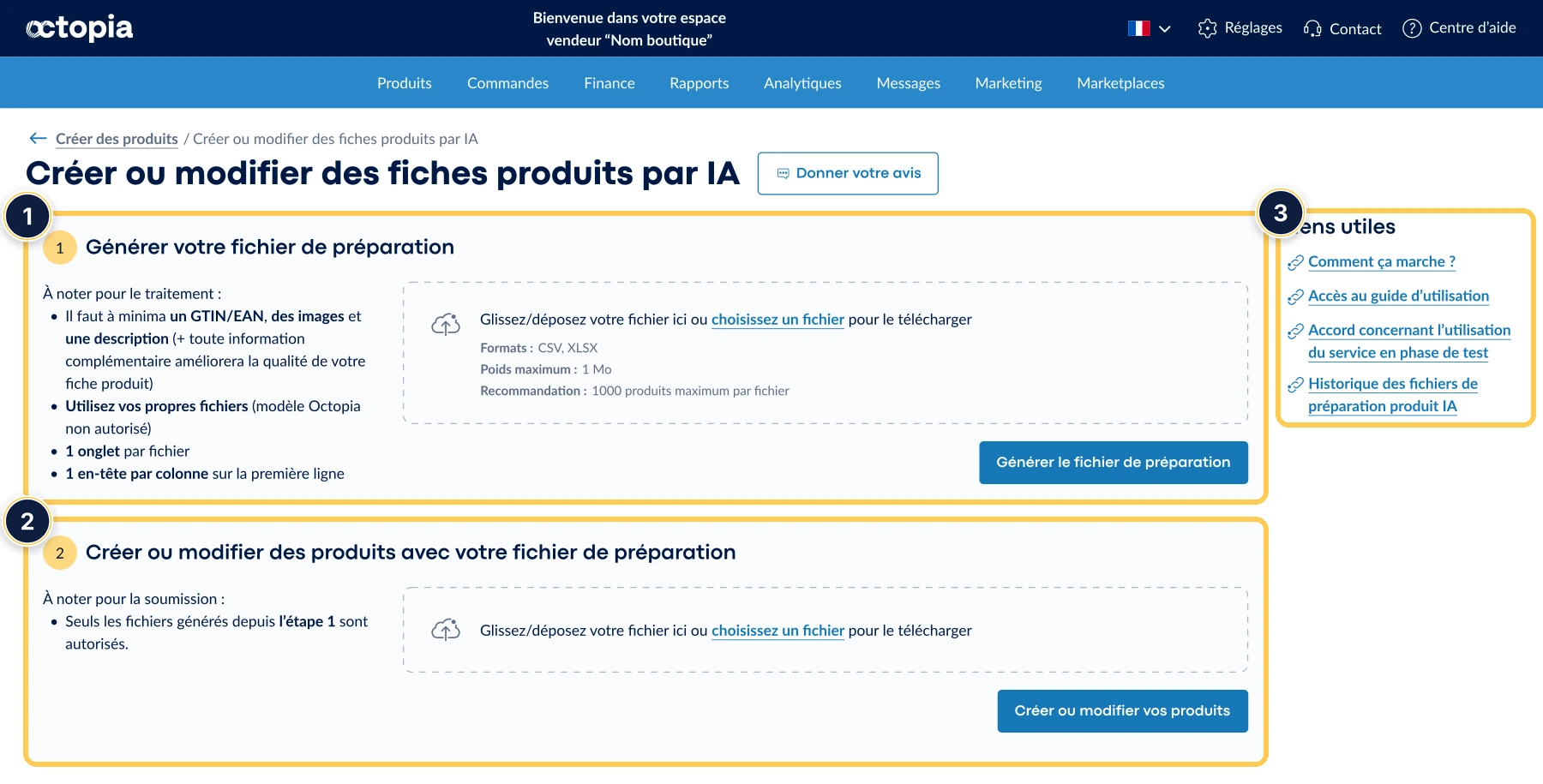
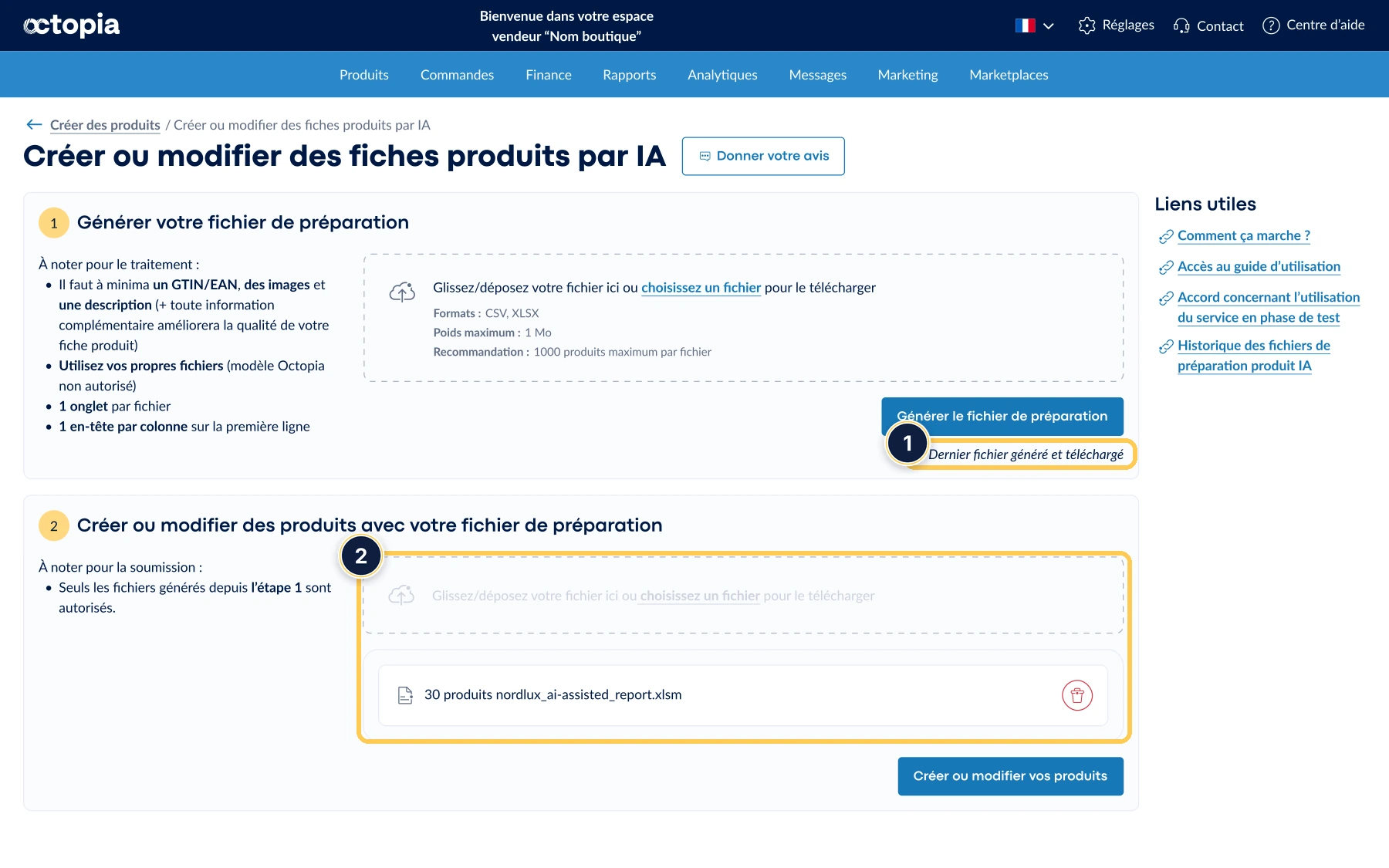
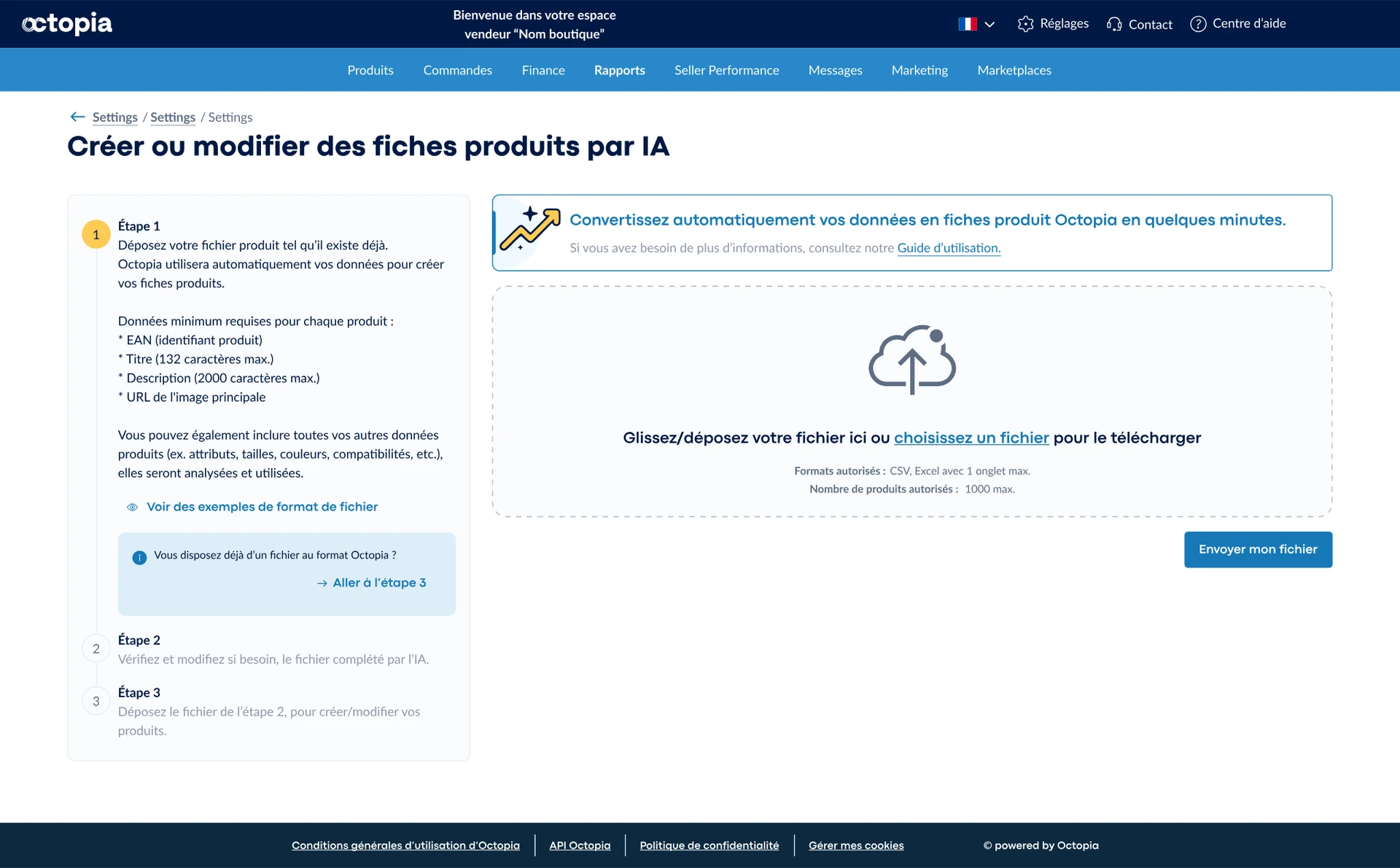
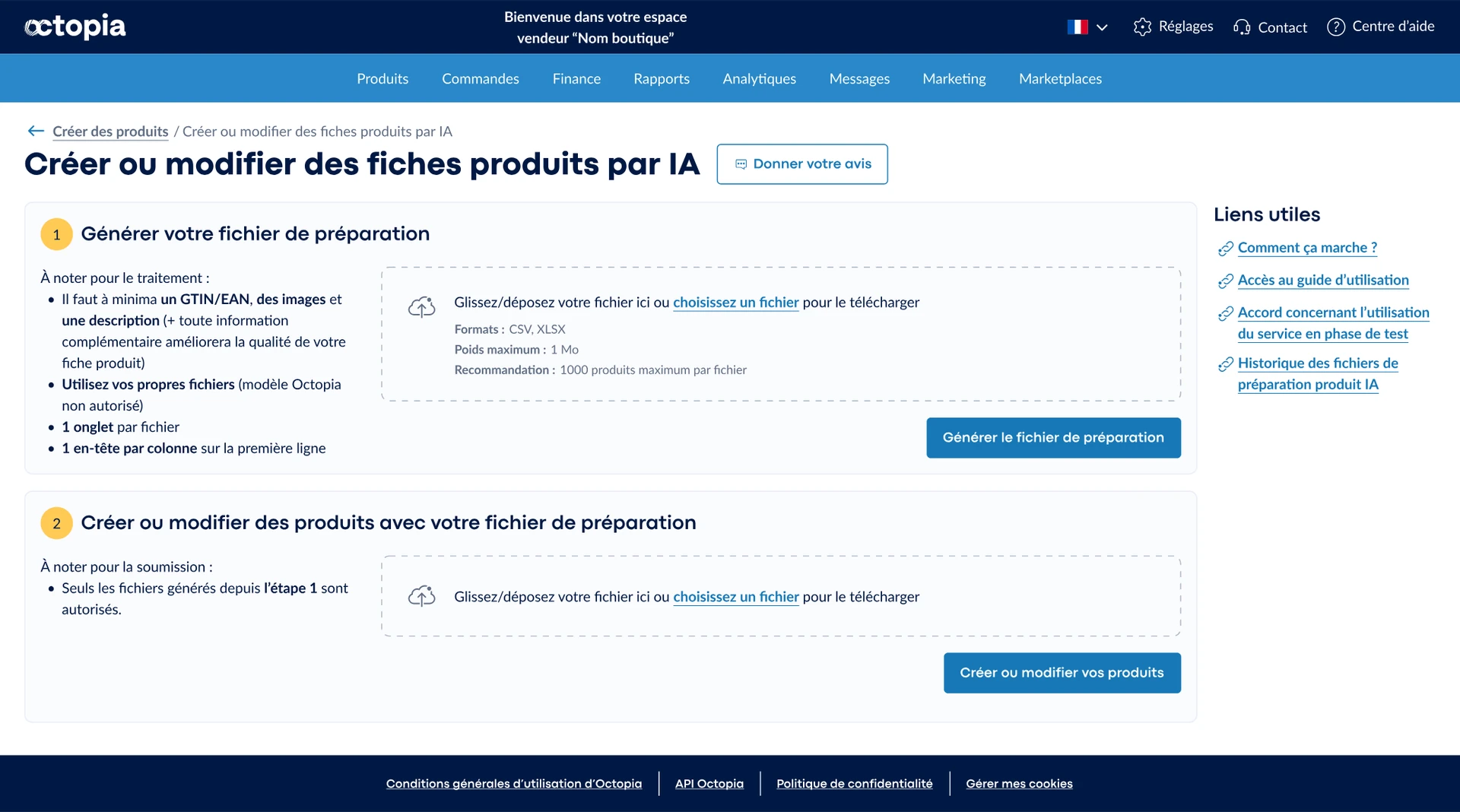
It was also about staying in control. Sellers used the tool's two steps flexibly: step 1 to let the AI enrich their data (title, description, category mapping), step 2 to integrate on their own terms, or both, depending on the task and the type of catalogue. Same task-driven pattern again: they wanted to decide what the AI touched, and when. Part of it was simpler, though. The first MVP wasn't clear enough about what each step did, so some of the step-2-only use was confusion rather than deliberate choice. That pointed to two things at once: respect sellers' need for control, and make the flow clearer about what each step actually did. The control-and-override model and the guided stepper answered one each.
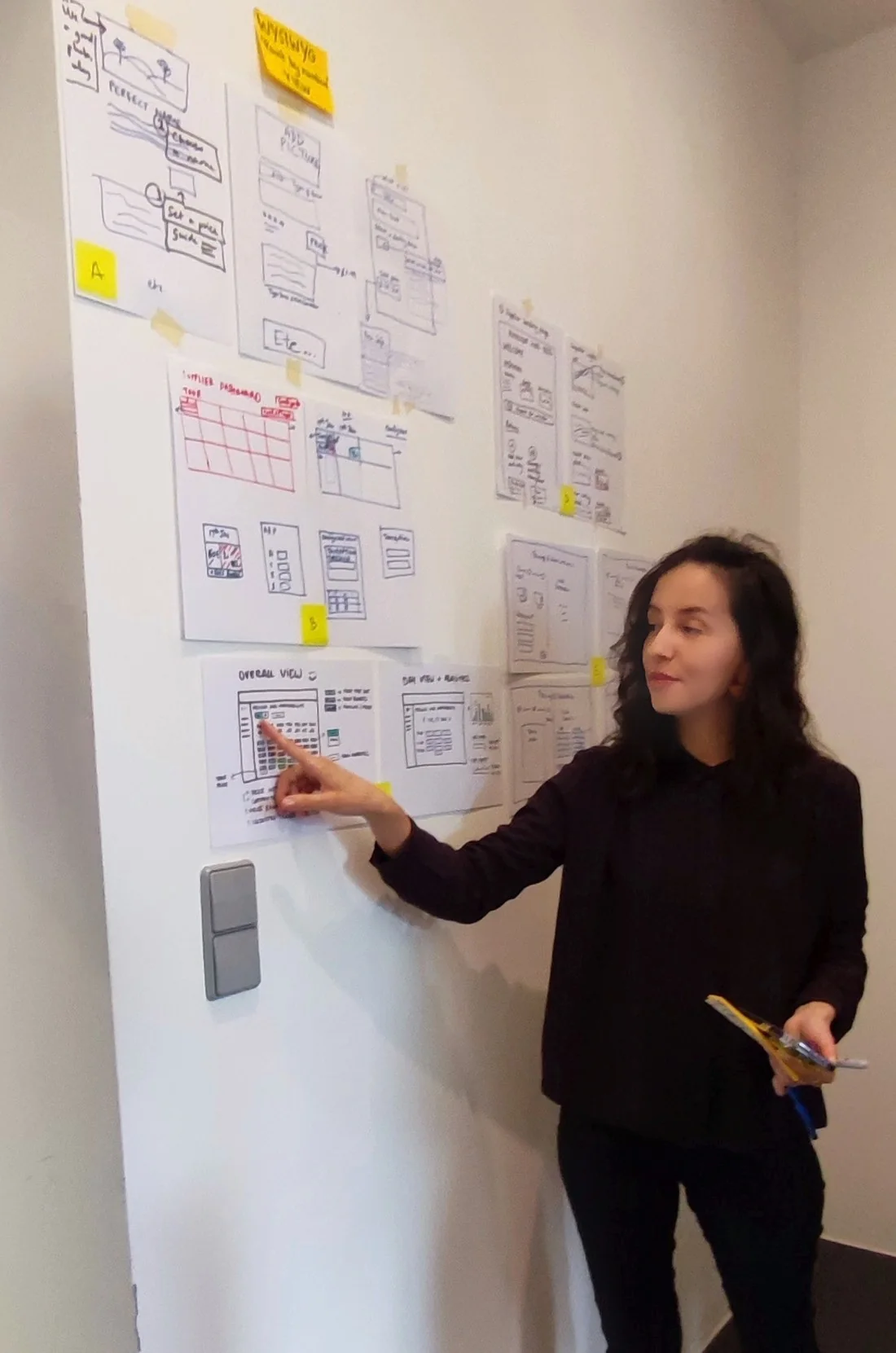
We were under pressure: the project's continued funding depended on showing stakeholders a credible path forward, quickly. I moved fast and kept validation lean: a low-fidelity workshop, a working prototype, and several rounds of testing got the flexible approach validated within weeks.
It held up in testing and became the direction for the tool's next phase. Moving from "something's wrong" to "here's a tested solution" quickly also helped keep stakeholders confident in the project's direction.